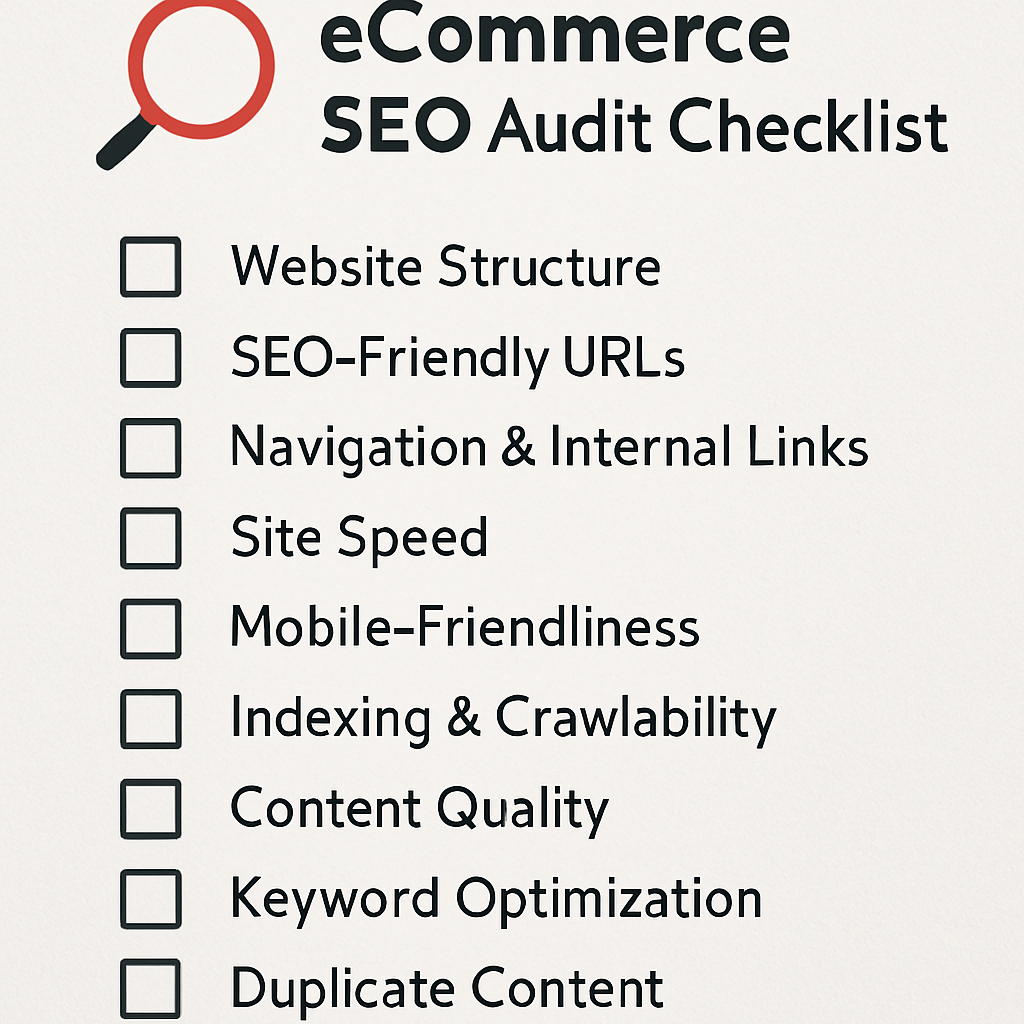
In the rapidly evolving realm of online shopping, having a high-performing ecommerce site is not just beneficial—it’s crucial for business success. With a significant portion of sales now occurring online, businesses must ensure their websites are not only functional but also optimized to attract, engage, and convert visitors effectively. An ecommerce SEO audit serves as a comprehensive tool to pinpoint and rectify issues that may be hindering your site’s performance and search engine visibility.
This guide will provide a detailed walkthrough of the essential steps involved in conducting an ecommerce SEO audit. Through this comprehensive checklist, you can ensure your site operates at peak performance, enhancing both visibility and user satisfaction.
An ecommerce SEO audit is a meticulous evaluation of your ecommerce site aimed at identifying any technical, on-page, or off-page elements that could be impacting your site’s ranking on search engines. The primary objective is to ensure your website is fully optimized for search engines while delivering a superior user experience.
The Components of an SEO Audit
An SEO audit encompasses various components, each targeting specific aspects of your website. These include technical SEO checks, on-page optimization, off-page strategies, and user experience considerations. Each component plays a crucial role in enhancing your site’s overall SEO health.
The Importance of Regular Audits
Regular audits are vital as they help you adapt to the continuously shifting algorithms of search engines. By staying updated, your site remains competitive, ranks better, and attracts more organic traffic. This enhanced visibility translates into increased sales and revenue.
How Audits Improve User Experience
Beyond search engine rankings, audits significantly impact user experience. A well-optimized site is easier to navigate, faster, and more secure, leading to increased user satisfaction and reduced bounce rates. This positive user experience is crucial for retaining customers and encouraging repeat visits.
Step 1: Technical SEO Audit
The first step in the ecommerce SEO audit process involves performing a technical SEO audit. This step focuses on evaluating the backend of your website to ensure everything operates smoothly and efficiently.
Check Site Speed
Site speed is a pivotal factor influencing both user experience and search engine rankings. Slow-loading pages can deter visitors, leading to higher bounce rates. Utilize tools like Google PageSpeed Insights to diagnose and address areas where loading times can be improved. Consider optimizing images, leveraging browser caching, and minimizing CSS and JavaScript files to enhance speed.
Mobile-Friendliness
In a digital landscape dominated by mobile users, ensuring your site is mobile-friendly is imperative. Google’s Mobile-Friendly Test can help you evaluate how easily users can interact with your site on mobile devices. Responsive design, fast loading times, and easy navigation are critical elements of a mobile-optimized site.
Secure Your Site with HTTPS
Security is paramount for both users and search engines. Ensuring your site is secured with HTTPS not only protects user data but also positively impacts your site’s ranking, as Google considers HTTPS a ranking factor. An SSL certificate is essential for establishing this secure connection.
XML Sitemap and Robots.txt
An XML sitemap helps search engines understand the structure of your website and index it accordingly. Ensure your sitemap is up-to-date and submitted to Google Search Console. Additionally, check your robots.txt file to ensure search engines can access and index your important pages without restrictions.
Fix Crawl Errors
Crawl errors can prevent search engines from indexing your site properly. Regularly review reports in Google Search Console to identify and rectify errors like 404s or server issues. Addressing these errors ensures that search engines can access and rank your content effectively.
Step 2: On-Page SEO Audit

On-page SEO is about optimizing individual pages to enhance their search engine rankings and attract more relevant traffic. This involves a strategic approach to various elements on each page.
Keyword Optimization
The foundation of on-page SEO lies in keyword optimization. Review your keyword strategy to ensure you target the right keywords for each page. Tools like SEMrush or Ahrefs can help you discover high-volume, relevant keywords that align with your products. Remember to use these keywords naturally within your content to avoid keyword stuffing, which can negatively impact your SEO.
Meta Tags and Descriptions
Meta tags and descriptions are critical for communicating the content of your pages to search engines. Ensure each page has a unique title tag and meta description that incorporate your target keywords. These elements not only help with SEO but also influence click-through rates from search engine results pages (SERPs).
Content Quality
High-quality, relevant content is essential for effective SEO. Regularly review your product descriptions, blog posts, and other content to ensure they provide value to your audience. Engaging and informative content encourages visitors to stay longer on your site, reducing bounce rates and improving SEO.
Image Optimization
Images play a significant role in user engagement and SEO. Optimize images by using descriptive file names and adding alt text. This practice not only enhances SEO by helping search engines understand the image content but also improves accessibility for users with visual impairments.
URL Structure
A clean and descriptive URL structure is beneficial for both users and search engines. Ensure your URLs are simple, readable, and include relevant keywords. Avoid using complex parameters or unnecessary characters in your URLs to maintain clarity and SEO effectiveness.
Internal Linking
Internal linking helps distribute page authority throughout your site and guides users to related content. Develop a robust internal linking strategy to improve navigation and encourage visitors to explore more pages. This practice also helps search engines discover and index your content effectively.
Step 3: Off-Page SEO Audit
Off-page SEO refers to activities outside your website that can influence your site’s rankings. These strategies focus on building authority and credibility in the eyes of search engines.
Backlink Profile
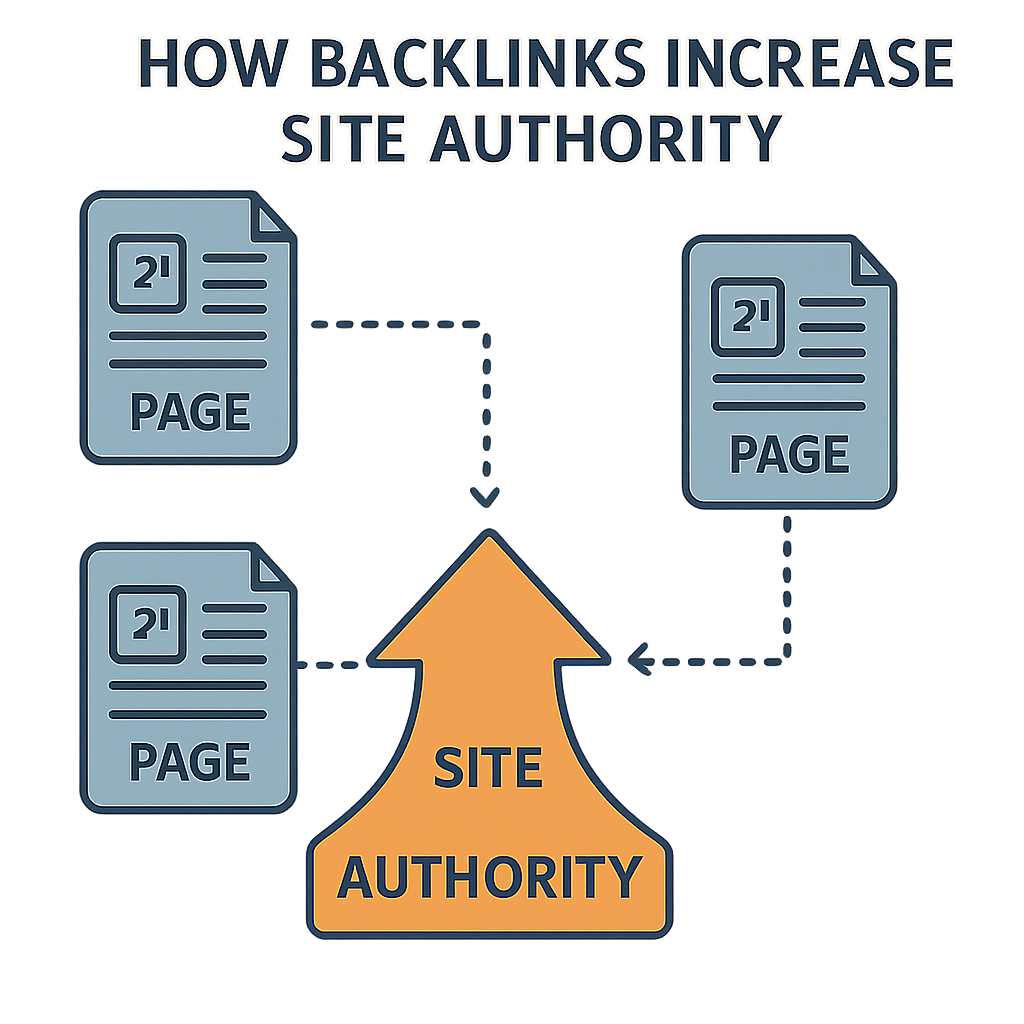
A strong backlink profile is a cornerstone of effective off-page SEO. Analyze your backlink profile to ensure you have high-quality, relevant links pointing to your site. Use tools like Moz or Ahrefs to identify any toxic links that could harm your SEO and disavow them if necessary. Building relationships with reputable sites in your industry can help you earn valuable backlinks.
Social Signals
Social media activity can indirectly impact your SEO efforts by driving traffic and engagement. Ensure you maintain a strong presence on social media platforms relevant to your audience. Regularly engage with your followers, share valuable content, and encourage social sharing to enhance your brand’s visibility and reputation.
Brand Mentions
Tracking brand mentions across the web can provide insights into your site’s reputation and influence. Use tools like Google Alerts or Mention to monitor mentions of your brand. Engaging with these mentions can improve your online presence and foster positive relationships with your audience.
Guest Blogging
Guest blogging on reputable sites is an effective way to build your authority and earn high-quality backlinks. Identify relevant sites in your industry that accept guest posts and contribute valuable content. This strategy not only enhances your backlink profile but also exposes your brand to a broader audience.
Influencer Partnerships
Collaborating with influencers in your industry can amplify your off-page SEO efforts. Influencers have established audiences that trust their recommendations, making them valuable partners for promoting your brand. Identify influencers whose values align with your brand and explore opportunities for collaboration.
Step 4: User Experience (UX) Audit

by ZBRA Marketing (https://unsplash.com/@zbra)
User experience is a critical factor in SEO, as it directly affects how users interact with your site. A positive user experience can lead to higher engagement, reduced bounce rates, and improved SEO performance.
Navigation and Structure
A well-structured site with intuitive navigation enhances the user experience. Ensure your site is easy to navigate with a clear, logical structure. Use breadcrumbs and intuitive menus to help users find what they are looking for quickly and efficiently.
Internal Linking
An effective internal linking strategy helps users and search engines discover more content on your site. Link related pages to guide users through your content and provide additional value. This practice also helps distribute page authority throughout your site, improving overall SEO.
Checkout Process
A streamlined checkout process is crucial for ecommerce sites. Examine your checkout process to ensure it is straightforward, secure, and efficient. A complicated or lengthy checkout can lead to cart abandonment, impacting your sales and revenue. Implement measures like guest checkout, multiple payment options, and clear progress indicators to enhance the checkout experience.
Mobile User Experience
With the growing number of mobile users, optimizing your site for mobile devices is essential. Test your site’s mobile experience to ensure it is fast, responsive, and user-friendly. Pay attention to touch-friendly elements, easy navigation, and quick load times to provide a seamless mobile experience.
Accessibility
Accessibility is a vital aspect of user experience, ensuring that all users, including those with disabilities, can access and navigate your site. Implement accessibility best practices, such as providing alt text for images, using descriptive link text, and ensuring compatibility with screen readers.
Step 5: Performance Tracking and Optimization
Once your audit is complete, it’s crucial to track your site’s performance and make ongoing optimizations to maintain and improve your SEO efforts.
Analytics Review
Use tools like Google Analytics and Google Search Console to monitor your site’s performance. Analyze key metrics like organic traffic, bounce rate, conversion rate, and user behavior to gain insights into your site’s performance. Regularly reviewing these metrics helps you identify areas for improvement and measure the impact of your SEO efforts.
Continuous Improvement
SEO is an ongoing process that requires continuous monitoring and improvement. Stay informed about the latest SEO trends and algorithm updates to ensure your site remains competitive. Regularly update your content, optimize your site for new keywords, and refine your strategies to maintain and enhance your SEO performance.
Competitor Analysis
Conducting competitor analysis helps you identify opportunities and areas where you can improve. Analyze your competitors’ SEO strategies, content, and backlink profiles to gain insights into what works in your industry. Use this information to refine your strategies and stay ahead of the competition.
A/B Testing
A/B testing is a valuable tool for optimizing your site’s performance. Test different elements of your site, such as headlines, calls-to-action, and page layouts, to determine what resonates best with your audience. Implementing successful variations can lead to improved user engagement and conversion rates.
Goal Setting and KPIs
Establish clear goals and key performance indicators (KPIs) to measure the success of your SEO efforts. Define objectives like increasing organic traffic, improving conversion rates, or enhancing user engagement. Regularly review your progress towards these goals and adjust your strategies as needed to achieve your desired outcomes.
Conclusion
Conducting an ecommerce SEO audit is essential for ensuring your site is optimized for search engines and provides the best possible user experience. By following this comprehensive checklist, you can identify and fix issues that may be impacting your site’s performance. Remember, SEO is an ongoing process, so keep auditing and optimizing to maintain your competitive edge.
With these essential steps, you’re well on your way to enhancing your ecommerce site’s SEO, driving more traffic, and ultimately increasing your sales. Stay proactive, adapt to changes, and continuously seek opportunities for improvement to achieve long-term success in the ever-evolving ecommerce landscape.
About the Author