In today’s digital age, having a strong online presence is crucial for businesses of all sizes. But how do you ensure your website is performing at its best? A professional SEO audit is your answer. It helps identify the strengths and weaknesses of your website, allowing you to make informed decisions to enhance its performance. In this guide, we’ll walk you through the essential steps for conducting a professional SEO audit.
An SEO audit is a comprehensive analysis of your website’s optimization level. It’s designed to assess how well your site aligns with current search engine standards and best practices. By identifying areas that need improvement, you can enhance your website’s visibility and ranking on search engines.
An SEO audit is akin to a health check-up for your website, providing a thorough examination of various elements that contribute to its search engine performance. It covers a broad range of factors, including technical SEO, on-page elements, and off-page influences. By conducting an SEO audit, you gain a holistic view of your site’s current standing and uncover opportunities for enhancement.
Regularly performing SEO audits is essential for maintaining an optimal online presence. As search engine algorithms evolve, your website needs to stay aligned with the latest requirements and guidelines. An audit helps you stay proactive, addressing potential issues before they impact your rankings. Additionally, it provides a benchmark to measure the effectiveness of your SEO efforts over time.
An SEO audit delves into various components of your website, from technical aspects to content quality and backlink profiles. It evaluates how search engines interact with your site, ensuring that all elements are optimized for visibility and user experience. Understanding the scope of an SEO audit allows you to set clear objectives and expectations for the process.
A professional SEO audit provides a detailed overview of your website’s health. It highlights technical issues, on-page SEO problems, and off-page factors affecting your rankings. By addressing these issues, you can improve user experience, increase traffic, and achieve better search engine results.
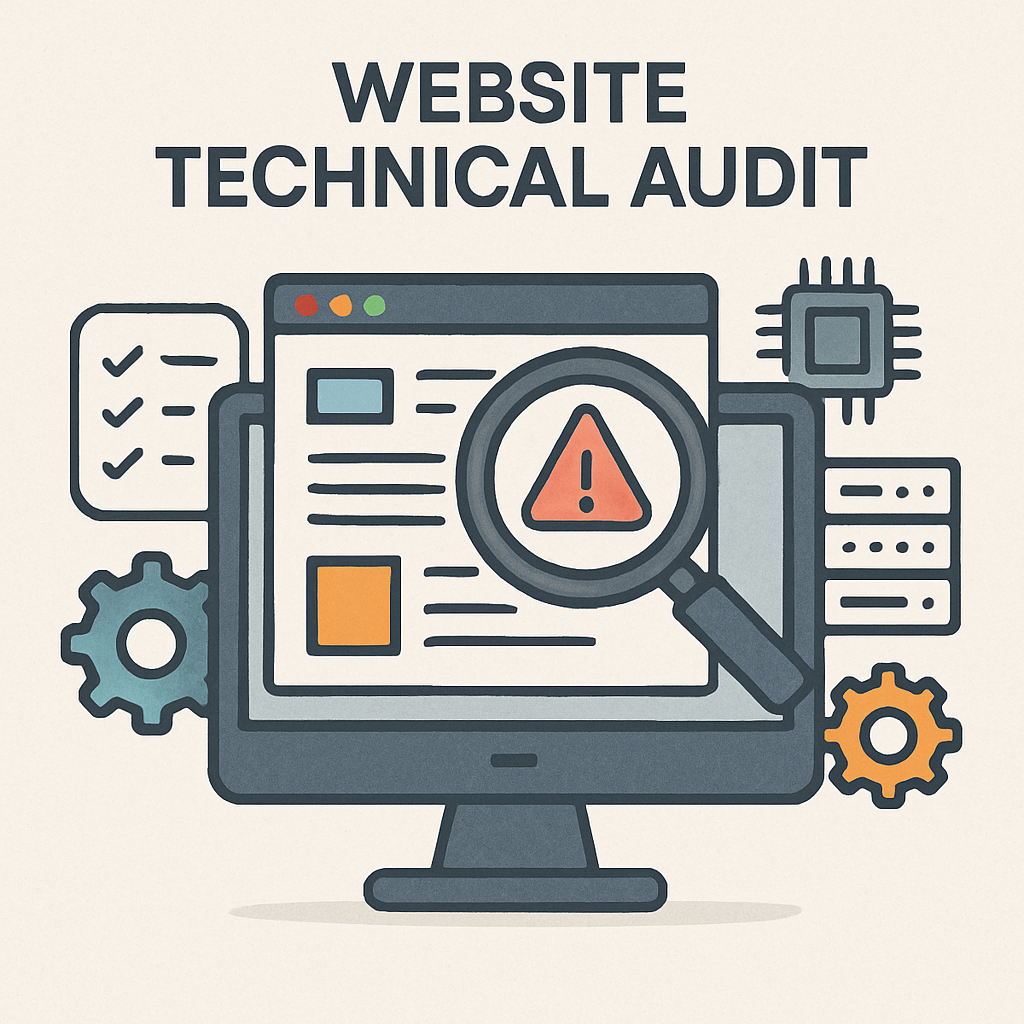
Technical issues can significantly hinder your website’s performance. A professional SEO audit pinpoints problems such as broken links, server errors, and issues with site architecture. By resolving these technical glitches, you ensure search engines can crawl and index your site efficiently, improving its overall health and functionality.
User experience is a critical component of SEO success. A professional audit identifies areas where your site may be falling short, such as slow loading times, poor mobile responsiveness, or confusing navigation. By addressing these factors, you create a seamless and enjoyable experience for your visitors, encouraging longer site visits and reducing bounce rates.
Improving search engine rankings is the ultimate goal of an SEO audit. By addressing both on-page and off-page factors, you enhance your site’s authority and relevance. A professional audit provides actionable insights to optimize your content, keywords, and backlink strategy, ultimately driving higher visibility and increased organic traffic.
Technical SEO Analysis( “A technical SEO dashboard showing various metrics”)
The first step in a professional SEO audit is a technical analysis. This involves checking the backend structure of your website to ensure it’s optimized for search engines.

- Crawlability: Ensure search engines can crawl your website without any barriers. Use tools like Google Search Console to identify crawl errors. Crawlability issues can arise from broken links, blocked resources, or incorrect use of robots.txt files, which can prevent search engines from accessing your content effectively.
- Indexability: Verify that important pages are indexed by search engines. Check for pages with “noindex” tags that should be indexed. Ensuring all valuable content is indexed is crucial for search visibility. Use site audits to identify issues such as duplicate content, canonical errors, or pagination problems that might hinder proper indexing.
Website speed is crucial for user experience and SEO. Use tools like Google PageSpeed Insights to assess your site’s speed and receive improvement suggestions. A fast-loading site is more likely to keep visitors engaged, reducing bounce rates and increasing conversion opportunities. Consider optimizing images, leveraging browser caching, and minimizing code to enhance performance.
With the rise of mobile browsing, your website must be mobile-friendly. Test your site’s mobile compatibility using Google’s Mobile-Friendly Test tool. Ensuring a responsive design that adapts to different screen sizes is essential for capturing the growing mobile audience. Evaluate touch elements, text readability, and navigation on mobile devices for an optimal user experience.
Security is a priority for both users and search engines. Implementing SSL certificates encrypts data and builds trust with visitors. A secure website is more likely to rank higher in search results. Verify that all pages are served over HTTPS and resolve any mixed content issues to ensure consistent security across your site.
Structured data helps search engines understand your content better, enhancing the way your website appears in search results. Implementing schema markup can lead to rich snippets, which provide additional information like reviews, ratings, or event details. Use Google’s Structured Data Testing Tool to identify errors and opportunities for implementing structured data.
On-page SEO involves optimizing individual pages to rank higher and earn more relevant traffic.

Ensure your content is high-quality, relevant, and provides value to your audience. Use keywords naturally and avoid keyword stuffing. High-quality content is informative, engaging, and answers users’ queries effectively. Regularly updating and refreshing content maintains its relevance and helps in capturing new search queries.
- Title Tags: Create unique and descriptive title tags for each page. Include relevant keywords to improve visibility. Title tags are crucial for both search engines and users, as they provide the first impression of your content. Ensure each title tag accurately reflects the page’s content and entices users to click.
- Meta Descriptions: Write compelling meta descriptions that encourage users to click on your page. Meta descriptions act as a brief summary of your content in search results. Crafting persuasive meta descriptions with a clear call-to-action can significantly impact click-through rates, even if they aren’t a direct ranking factor.
Use clean and descriptive URLs. Avoid long URLs with unnecessary parameters. A well-structured URL is easy for users and search engines to understand. Consistent URL structures improve navigation and contribute to a better user experience. Include relevant keywords in your URLs to enhance their SEO value without overstuffing.
Internal links connect different pages within your website, facilitating navigation and spreading link equity. An effective internal linking strategy guides users to related content and helps search engines understand the hierarchy of your site. Regularly review and update internal links to maintain their relevance and maximize SEO benefits.
Images contribute to the visual appeal of your website but can slow down loading times if not optimized. Use descriptive file names, alt text, and appropriate image formats to enhance accessibility and SEO. Compress images without compromising quality to improve page speed and user experience.
Off-page SEO refers to actions taken outside of your website to impact its visibility on search engines.
Backlink Profile( “Graph showing a website’s backlink profile and referring domains”)
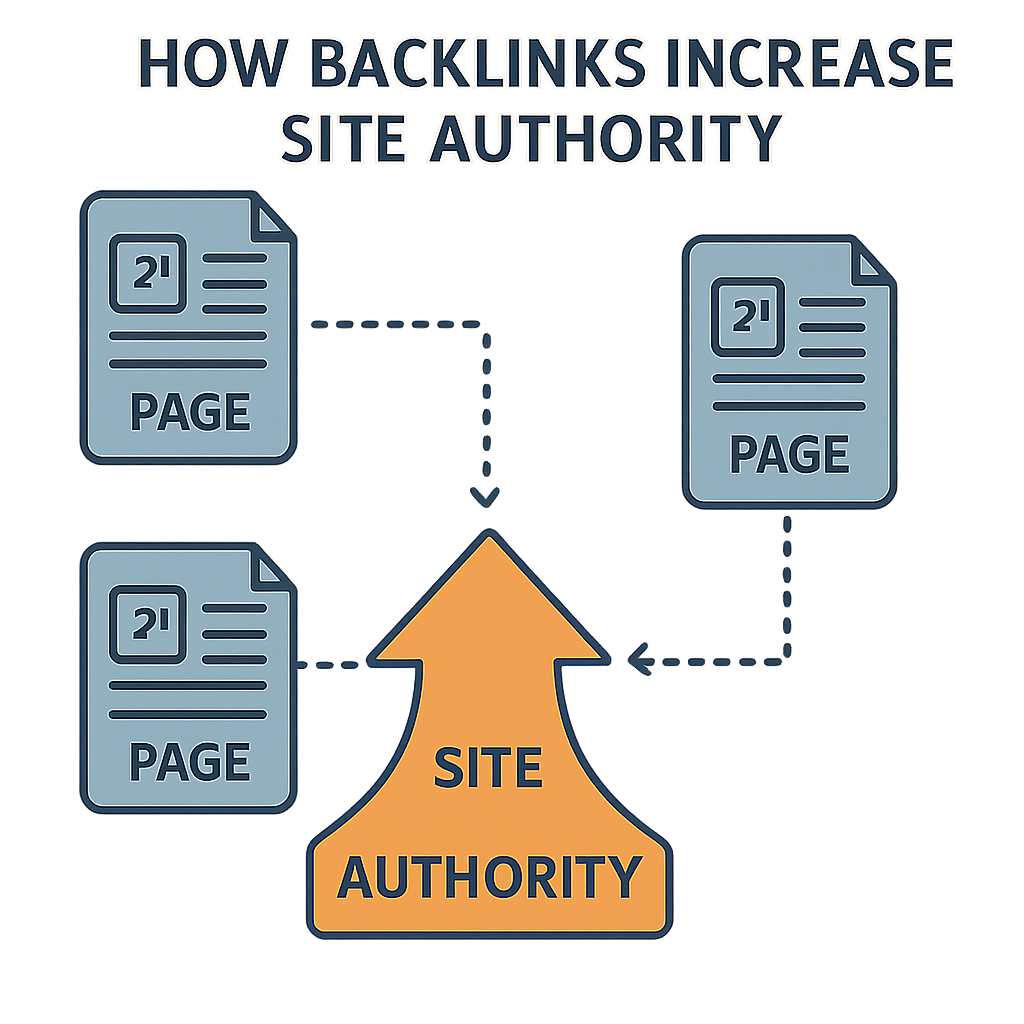
Analyze your backlink profile to ensure it consists of high-quality, relevant links. Tools like Ahrefs or SEMrush can help you evaluate your backlinks and identify toxic links that need disavowing. A diverse and authoritative backlink profile boosts your site’s credibility and search engine rankings. Focus on building relationships with reputable websites for long-term benefits.
While not a direct ranking factor, social signals can enhance your SEO efforts. Evaluate your social media presence and engagement levels to identify areas for improvement. Active social media profiles increase brand visibility and drive traffic to your site. Encourage social sharing of your content to amplify its reach and impact.
Brand mentions and citations on external websites contribute to your online authority. Monitor mentions of your brand or products and ensure they link back to your website. Engage with online communities and industry forums to increase your brand’s visibility and strengthen your online reputation.
Collaborating with influencers or guest blogging on reputable platforms can expand your reach and attract new audiences. Ensure that such collaborations align with your brand values and target audience. These strategies not only enhance brand visibility but also contribute valuable backlinks to your site.
Online reviews influence consumer decisions and impact your brand’s reputation. Encourage satisfied customers to leave positive reviews on platforms like Google My Business or Yelp. Address negative feedback professionally and proactively to demonstrate your commitment to customer satisfaction.
Understanding your competition can provide valuable insights into your SEO strategy.
Identify your main competitors in search engine results. Analyze their websites to understand their strengths and weaknesses. Understanding competitors’ strategies allows you to identify areas for differentiation and improvement. Use tools like SEMrush or Ahrefs to conduct a competitive analysis and gain insights into their backlink profiles, content strategies, and keyword targeting.
Examine the keywords your competitors are targeting. This can help you identify new opportunities and gaps in your current keyword strategy. Keyword research tools provide valuable data on search volumes, competition levels, and related terms. Tailor your content strategy to target high-potential keywords that align with your audience’s search intent.
Analyze your competitors’ content strategies to gain insights into their success. Identify the types of content that resonate with their audience and adapt similar approaches while adding your unique perspective. Evaluate their content formats, such as blogs, videos, or infographics, to diversify your content offerings and engage different audience segments.
Observe your competitors’ link-building techniques to identify potential opportunities for your site. Research their partnerships, collaborations, and guest posting activities to uncover link-building prospects. Building relationships with industry influencers and authoritative websites can enhance your backlink profile and increase your site’s authority.
Assess your competitors’ social media presence and engagement levels to identify areas for improvement. Analyze their social media strategies, including content types, posting frequencies, and audience interactions. Strengthen your social media efforts by engaging with your audience, sharing valuable content, and participating in relevant conversations.
After completing the audit, compile your findings into a comprehensive report. This should include:
Highlight key issues and areas for improvement. Provide a clear overview of your website’s current SEO status and the impact of identified issues on its performance. A concise summary sets the stage for addressing weaknesses and implementing effective strategies.
Provide clear, step-by-step recommendations to address the identified issues. Prioritize actions based on their potential impact and feasibility. Detailed recommendations guide your SEO efforts, ensuring you focus on the most critical areas for improvement.
Identify high-priority actions that will have the most significant impact on your SEO performance. Focus on tasks that align with your business goals and resources. Prioritizing actions helps you allocate time and resources efficiently, maximizing the benefits of your SEO efforts.
Implement a system for monitoring and tracking the progress of your SEO improvements. Regularly review key performance indicators (KPIs) such as organic traffic, rankings, and conversion rates. Use analytics tools to assess the impact of your changes and make data-driven decisions for ongoing optimization.
SEO is an ongoing process that requires continuous monitoring and adjustments. Develop a long-term improvement plan that incorporates regular audits, updates, and new strategies. Staying adaptable to changes in search algorithms and industry trends ensures your website remains competitive and effective in the digital landscape.
When it comes to selecting an SEO audit service, consider the following:
Choose a service with a proven track record in providing professional SEO audits. Look for testimonials or case studies from past clients to gauge their expertise. Experienced agencies understand the nuances of SEO audits and can provide valuable insights tailored to your industry and business goals.
Opt for a company that offers a full range of SEO audit services, including technical, on-page, and off-page analysis. Comprehensive services ensure a holistic evaluation of your website’s performance. A well-rounded approach addresses all aspects of SEO, providing actionable recommendations for improvement.
Ensure the agency uses the best website audit software and tools to provide accurate and up-to-date insights. Advanced tools offer in-depth analysis and reporting capabilities, enabling a thorough evaluation of your site’s SEO elements. Access to cutting-edge technology enhances the quality and precision of the audit results.
Look for an SEO audit service that tailors its approach to your specific business needs and goals. A personalized audit considers your unique industry, target audience, and competitive landscape. Customization ensures that the recommendations provided are relevant and actionable for your business.
Choose a service that values transparent communication and provides clear, detailed reports. A transparent approach ensures you understand the audit findings and recommendations. Regular updates and clear communication foster a collaborative relationship with the SEO audit service, enabling effective implementation of improvements.
A professional SEO audit is an essential tool for optimizing your website and improving your search engine rankings. By following these steps, you can identify weaknesses and implement strategies to enhance your online presence. Whether you choose to conduct the audit yourself or hire an SEO audit service, the insights gained will be invaluable in driving your business’s digital success.
Remember, SEO is an ongoing process, and regular audits are crucial to staying ahead in the ever-evolving digital landscape. Continuous optimization and adaptation ensure your website remains competitive and effective, ultimately contributing to your business’s growth and success in the digital age.
Also Read Creating Effective SEO Reports in PDF
About the Author