Conducting a mini SEO audit is a crucial step for anyone looking to improve their website’s visibility and performance. This simplified audit process can help you uncover issues that might be affecting your search engine rankings and provide actionable insights to enhance your SEO strategy. In this comprehensive guide, we’ll walk through the essential steps for performing a mini SEO audit using some of the best site audit tools available.
An SEO audit is a comprehensive evaluation of your website’s search engine friendliness. It involves analyzing various factors that influence your site’s ranking on search engine results pages (SERPs). A mini SEO audit focuses on the most critical elements that can be quickly assessed and addressed. Understanding these basics is key to conducting an effective audit.
What Constitutes an SEO Audit?
An SEO audit is a systematic examination of different elements of your website that impact its visibility in search engines. It covers technical aspects, on-page elements, and off-page factors. The goal is to identify issues that could be hindering your site’s performance and recommend improvements. By understanding what an SEO audit involves, you can better prepare for the process and ensure all critical areas are addressed.
Key Components of a Mini SEO Audit
A mini SEO audit hones in on the most important aspects of your site’s SEO health. These components typically include technical audits, on-page evaluations, and off-page assessments. While a full audit might delve into every detail, a mini audit focuses on areas that can yield quick wins. These audits are ideal for regular check-ups or when you’re short on time and need to prioritize.
The Importance of Regular Audits
Regular SEO audits are essential for maintaining optimal website performance. As search engines update their algorithms and user behavior changes, your site needs to adapt. Frequent audits help you stay ahead of these changes, ensuring your site remains competitive. They also provide ongoing insights into your site’s health, allowing you to make informed decisions about your SEO strategy.
Why Perform a Mini SEO Audit?
A mini SEO audit can help you:
- Identify technical issues affecting site performance
- Improve on-page and off-page SEO elements
- Enhance user experience
- Increase organic traffic
- Boost search engine rankings
Identifying Technical Issues
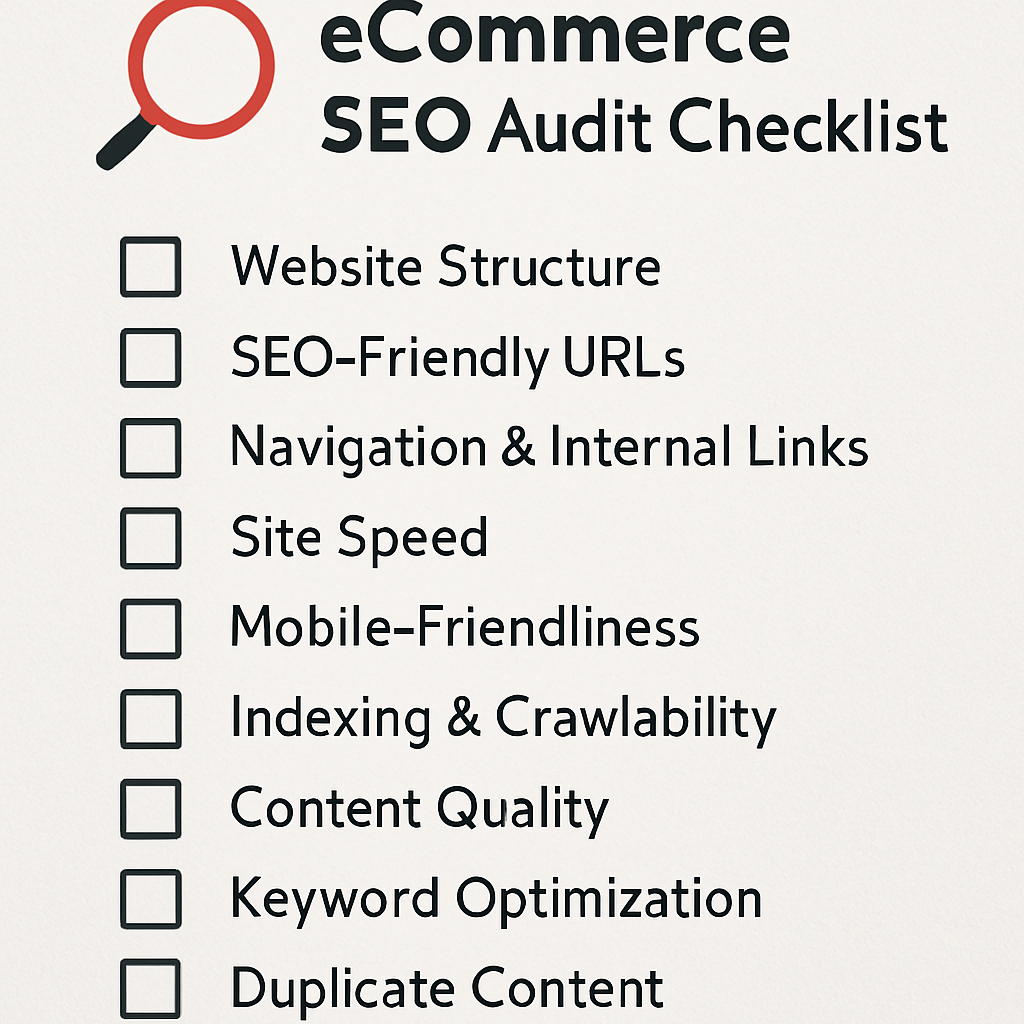
Technical issues can significantly hinder your website’s performance and search engine rankings. A mini SEO audit helps uncover these issues, such as slow page load times, broken links, or improper redirects. By identifying and addressing these problems, you can improve your site’s accessibility and usability, which are critical for retaining visitors and improving rankings.
Optimizing On-Page and Off-Page Elements
On-page and off-page elements are crucial for search engine optimization. On-page elements like meta tags, content quality, and keyword usage directly impact how search engines interpret your site. Off-page elements, such as backlinks and brand mentions, influence your site’s authority and credibility. A mini audit helps optimize these elements, ensuring they align with your overall SEO strategy.
Enhancing User Experience and Traffic
User experience is a key factor in SEO success. A well-optimized site not only ranks higher but also provides a better experience for visitors. This leads to increased engagement, lower bounce rates, and higher conversions. By performing a mini SEO audit, you can identify areas where user experience can be enhanced, ultimately leading to increased organic traffic and better search engine rankings.
Essential Tools for Conducting a Mini SEO Audit
Before diving into the audit process, it’s important to have the right tools at your disposal. Here are some of the best website audit tools you can use:
- Google Search Console: A free tool that helps you monitor, maintain, and troubleshoot your site’s presence in Google Search results.
- Google Analytics: Provides insights into your website traffic and user behavior.
- SEMrush: Offers a comprehensive suite of tools for SEO, including a site audit tool.
- Ahrefs: Known for its robust backlink analysis and site audit features.
- Screaming Frog SEO Spider: A desktop program that crawls websites to evaluate on-page SEO elements.
Google Search Console and Google Analytics
Google Search Console and Google Analytics are essential tools for any SEO audit. Search Console provides detailed insights into how Google views your site, highlighting issues like indexing errors and mobile usability problems. Analytics offers a deeper understanding of user behavior, showing how visitors interact with your site. Together, these tools provide a comprehensive view of your site’s performance.
SEMrush and Ahrefs
SEMrush and Ahrefs are powerful tools for SEO professionals. SEMrush offers a variety of features, including keyword research, site audits, and competitor analysis. Ahrefs is renowned for its backlink analysis capabilities, allowing you to see which sites link to yours and the quality of those links. Both tools are invaluable for identifying opportunities and weaknesses in your SEO strategy.
Screaming Frog SEO Spider
Screaming Frog SEO Spider is a versatile tool for on-page SEO analysis. It crawls your website, identifying issues like duplicate content, missing meta tags, and broken links. This tool is especially useful for large websites, where manual checks would be impractical. By using Screaming Frog, you can quickly pinpoint areas that need improvement, enhancing your site’s overall SEO health.
Steps to Perform a Mini SEO Audit
Step 1: Check for Technical Issues

Begin your audit by examining technical aspects of your website. These are often the foundation of a good SEO strategy.
Analyze Site Speed
Site speed is a crucial ranking factor. Use tools like Google’s PageSpeed Insights to identify areas where your website can improve in terms of loading time. Faster sites offer better user experiences, reducing bounce rates and increasing engagement. By analyzing site speed, you can make informed decisions about optimizations, such as image compression or server upgrades, to enhance performance.
Ensure Mobile-Friendliness
With the increasing number of mobile users, having a mobile-friendly website is essential. Check your site’s mobile compatibility using Google’s Mobile-Friendly Test tool. A mobile-friendly site adapts seamlessly to different screen sizes, providing a consistent experience across devices. Ensuring mobile compatibility not only improves user experience but also boosts your site’s ranking in mobile search results.
Inspect for Broken Links
Broken links can harm your site’s user experience and SEO. Use tools like Screaming Frog to detect and fix any broken links on your website. Broken links lead to frustration for users and can result in search engines penalizing your site. Regularly inspecting and fixing broken links ensures visitors can navigate your site easily, enhancing both user satisfaction and search engine performance.
Step 2: Evaluate On-Page SEO Elements
On-page SEO involves optimizing individual pages to rank higher and earn more relevant traffic.
Optimize Title Tags and Meta Descriptions
Ensure that each page has a unique and descriptive title tag and meta description. These elements should include your target keywords to help search engines understand the content of the page. Well-crafted title tags and meta descriptions not only improve SEO but also increase click-through rates from search results, driving more traffic to your site.
Assess Header Tags
Header tags (H1, H2, H3, etc.) should be used to structure your content. Make sure they are relevant and include keywords where appropriate. Proper use of header tags improves content readability and helps search engines understand the hierarchy and relevance of your content. By assessing and optimizing header tags, you can enhance both user experience and search engine visibility.
Review Content Quality
High-quality, relevant content is the backbone of SEO. Evaluate your content for clarity, keyword usage, and engagement. Update or remove any outdated information. Fresh, engaging content not only attracts visitors but also keeps them on your site longer, reducing bounce rates and improving rankings. By regularly reviewing content quality, you can ensure your site remains authoritative and valuable to users.
Step 3: Conduct an Off-Page SEO Audit
Off-page SEO involves actions taken outside of your own website to impact your rankings within search engine results.
Analyze Backlink Profile
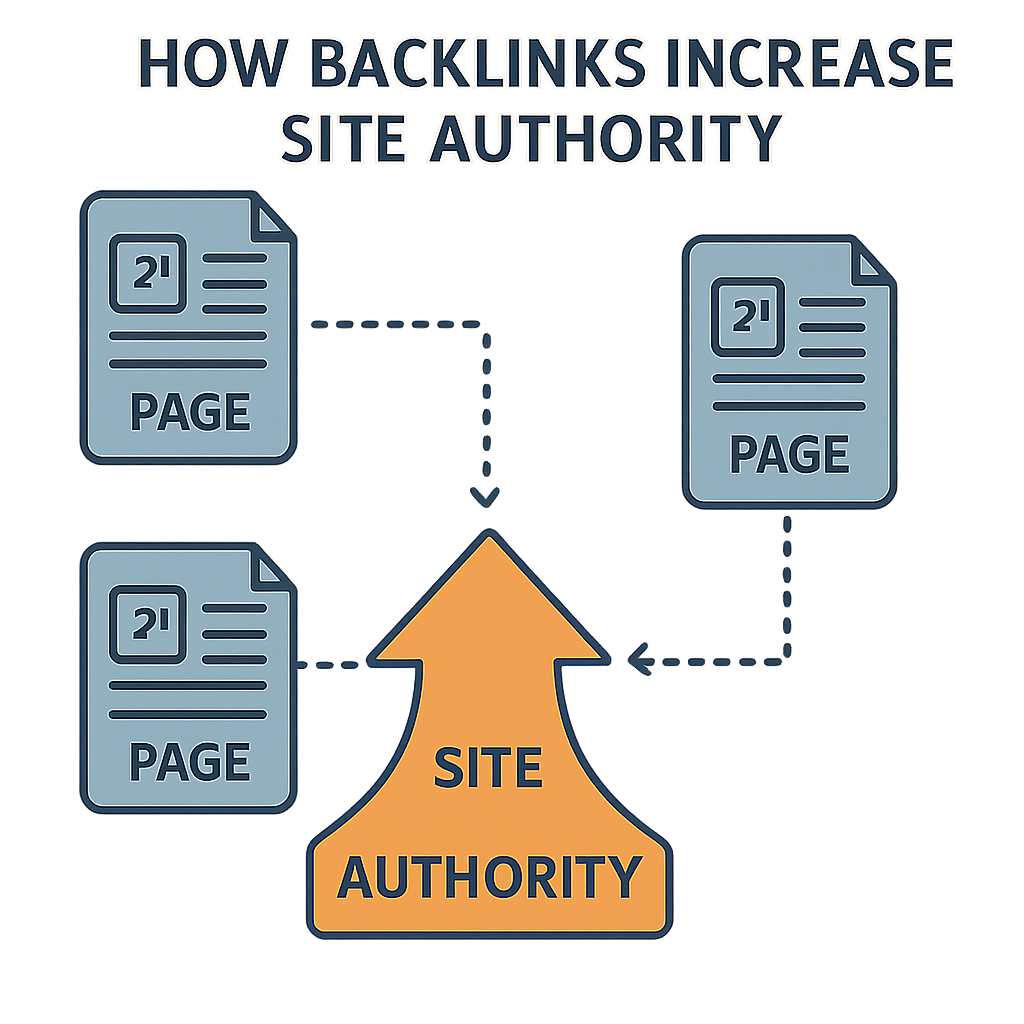
Backlinks from reputable sites can significantly boost your SEO. Use tools like Ahrefs to analyze your backlink profile and identify opportunities for acquiring new, high-quality links. Strong backlinks enhance your site’s authority and credibility, which are critical for ranking well in search results. By analyzing and improving your backlink profile, you can strengthen your site’s overall SEO strategy.
Monitor Brand Mentions
Being mentioned by other websites, even without a link, can influence your SEO. Use tools like Google Alerts to track brand mentions and engage with users. Engaging with brand mentions allows you to build relationships, enhance your online presence, and potentially acquire backlinks. By monitoring these mentions, you can also gain insights into public perception and identify opportunities for brand growth.
Step 4: Generate an SEO Report

by Nguyen Dang Hoang Nhu (https://unsplash.com/@nguyendhn)
Creating a comprehensive SEO report is crucial for tracking your progress and sharing results with stakeholders.
Use an SEO Report Creator
There are several tools available that can help you generate a detailed SEO report. These reports can be shared in formats like PDF for easy distribution. A well-structured report highlights key findings, recommendations, and progress over time. By using an SEO report creator, you can efficiently communicate the results of your audit to clients or team members, facilitating informed decision-making.
Include Key Metrics
Your SEO report should include key metrics such as organic traffic, keyword rankings, backlink profile, and any technical issues discovered during the audit. These metrics provide a clear picture of your site’s performance and areas that need improvement. By including key metrics, you can measure the effectiveness of your SEO efforts and adjust your strategy accordingly, ensuring continuous growth and success.
Leveraging AI in Your SEO Audit
The use of AI SEO analyzers can streamline your audit process and provide deeper insights. These tools can automatically evaluate your website and offer recommendations for improvement. Some popular AI-powered SEO tools include MarketMuse and Clearscope.
Benefits of AI-Powered SEO Tools
AI-powered SEO tools offer several advantages, including speed, accuracy, and the ability to process large amounts of data. They can identify patterns and trends that might be missed by manual audits, providing more comprehensive insights. By leveraging AI tools, you can enhance the efficiency and effectiveness of your SEO audits, ensuring you stay ahead of the competition.
MarketMuse and Clearscope
MarketMuse and Clearscope are leading AI SEO tools that provide data-driven content recommendations. They analyze top-performing content in your niche and suggest improvements to your own content strategy. These tools help you create content that is more likely to rank well, driving traffic and engagement. By using MarketMuse and Clearscope, you can ensure your content remains relevant and competitive in the digital landscape.
Integrating AI into Your SEO Strategy
Integrating AI tools into your SEO strategy can provide a significant competitive edge. These tools not only streamline audits but also offer ongoing optimization suggestions, ensuring your site adapts to changes in search engine algorithms and user behavior. By incorporating AI into your strategy, you can enhance your site’s performance, visibility, and user experience, driving long-term success.
Conclusion
Conducting a mini SEO audit is an essential practice for maintaining and improving your website’s performance. By focusing on the critical aspects of your site, you can quickly identify and address issues that could be impacting your rankings. With the right tools and a structured approach, you can enhance your SEO strategy and achieve better visibility and traffic.
Incorporate these steps into your regular website maintenance routine to stay ahead in the competitive digital landscape. Regular audits and optimizations will ensure your site remains user-friendly and search-engine optimized. By staying proactive and leveraging the latest tools and techniques, you can maintain a strong online presence and continue to grow your audience and influence.
Alos Read: Creating Effective SEO Reports in PDF
About the Author