Building a robust online presence is essential for ecommerce brands looking to thrive in today’s digital marketplace. The competition is fierce, and standing out requires more than just an attractive product listing. One of the most effective ways to enhance your site’s visibility and ranking is through strategic link building. However, the process of acquiring high-quality backlinks can be challenging, especially for small ecommerce sites. In this article, we’ll explore effective strategies for ecommerce link building that can help boost your site’s authority and drive more traffic.
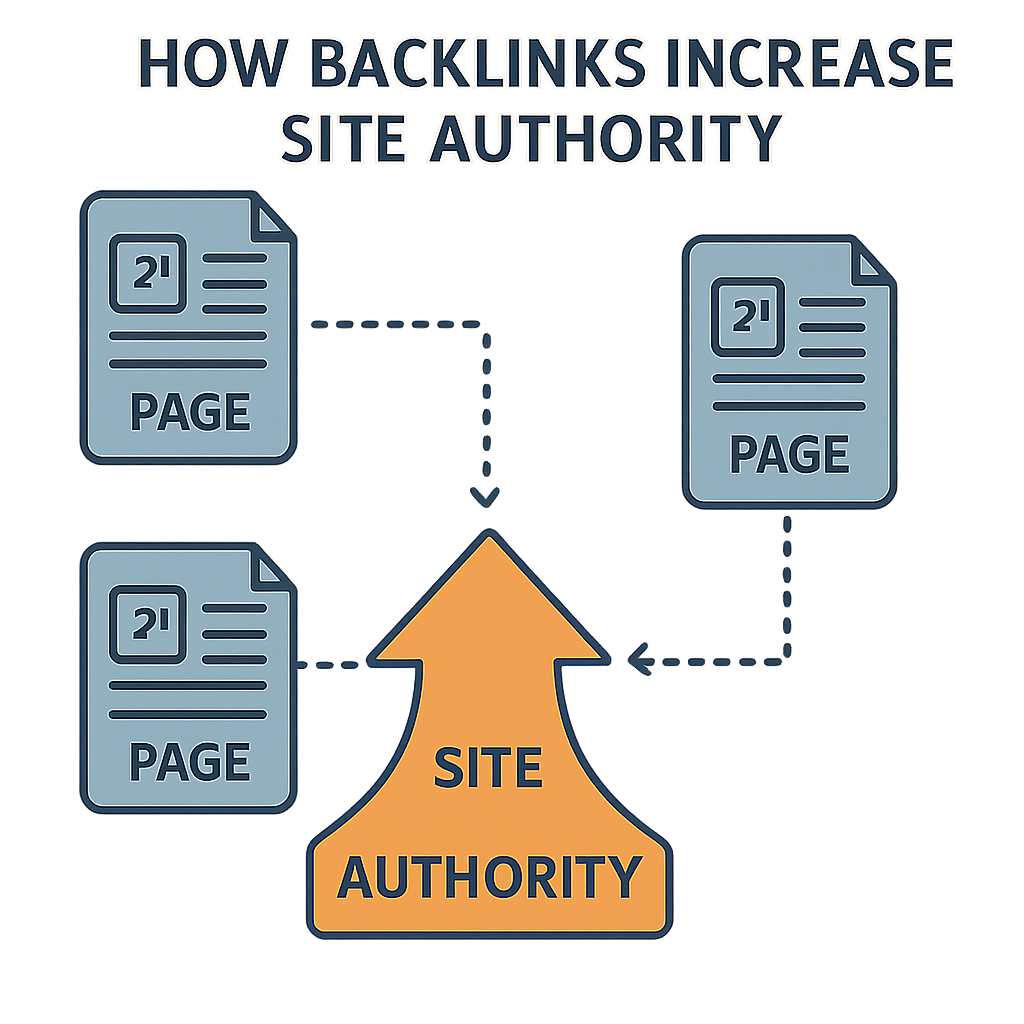
Backlinks are links from other websites that point to your site. They act as votes of confidence, signaling to search engines that your content is valuable and trustworthy. For ecommerce sites, backlinks are particularly important because they help improve search engine rankings, increase referral traffic, and establish brand authority. Without them, your site may struggle to compete against larger, more established brands.
How Backlinks Influence SEO
Search engines like Google use backlinks as a primary factor in their ranking algorithms. A site with a strong backlink profile is often seen as more authoritative and relevant in its industry. This can lead to better search engine rankings, which in turn increases visibility and organic traffic. High-quality backlinks from reputable sites can significantly boost your site’s credibility in the eyes of search engines.
Backlinks as a Trust Signal
In addition to influencing SEO, backlinks serve as a trust signal to potential customers. When users see that credible sites link to your content, they are more likely to view your brand as a trustworthy source. This can enhance your brand’s reputation and encourage more users to engage with your site, leading to higher conversion rates.
Measuring Backlink Success
To effectively utilize backlinks, it’s crucial to measure their impact on your site. Tools like Google Analytics and specialized SEO software can help track referral traffic and conversions from backlinks. Regularly analyzing this data allows you to refine your link-building strategy, focusing on the types of content and partnerships that deliver the best results.
How to Build Backlinks for Ecommerce
Create High-Quality Content
Content is king when it comes to link building. The more valuable your content, the more likely it is to attract backlinks naturally. Focus on creating high-quality, informative, and engaging content that resonates with your target audience. Consider producing:
Blog Posts
Write articles that address common questions or concerns in your niche. Providing valuable insights or solutions to problems faced by your audience can naturally lead to backlinks from other sites looking to reference your expertise. Regularly updating your blog with fresh content keeps your site relevant and engaging.
Infographics
Visual content is highly shareable and can easily attract backlinks. Infographics that present data or information in a visually appealing manner are more likely to be shared across social media platforms and embedded in other websites. Ensure your infographics are informative, clear, and relevant to your audience’s interests.
Product Guides
Detailed guides or tutorials on how to use your products can serve as valuable resources for your audience. These guides not only help customers make informed purchasing decisions but also attract backlinks from sites offering similar products or services. Providing step-by-step instructions or video demonstrations can enhance the value of your guides.
Leverage Influencer Partnerships

Influencer marketing isn’t just for promoting products. Influencers can also help you build links by sharing your content with their audience. Identify influencers in your niche who align with your brand values and reach out to them for collaboration opportunities. This could include guest blogging, product reviews, or social media shoutouts.
Finding the Right Influencers
To maximize the impact of influencer partnerships, carefully select influencers who align with your brand’s values and target audience. Research their engagement rates, audience demographics, and previous collaborations to ensure they are a good fit. Building long-term relationships with influencers can lead to more consistent link-building opportunities.
Crafting Collaborative Content
Collaborative content, such as co-authored blog posts or joint social media campaigns, can amplify your reach and attract more backlinks. Work with influencers to create content that highlights your products while providing value to their audience. This approach not only drives traffic but also enhances your brand’s credibility and visibility.
Measuring Influencer Impact
Track the success of your influencer partnerships by monitoring traffic, engagement, and conversions resulting from their promotions. Use tools like UTM codes and unique affiliate links to attribute traffic and sales accurately. Regular analysis of these metrics helps refine your influencer strategy, ensuring it aligns with your business goals.
Guest Blogging
Guest blogging is a tried-and-true method for building backlinks. By writing articles for other websites in your industry, you can gain exposure and earn valuable backlinks to your site. Look for reputable blogs that accept guest contributions and offer valuable insights or unique perspectives in your submissions.
Identifying Guest Blogging Opportunities
Research industry-related blogs that accept guest posts and have a substantial following. Look for sites with a strong domain authority and engaged readership, as these factors influence the quality of backlinks you receive. Building relationships with blog editors can also lead to more guest posting opportunities in the future.
Crafting Compelling Content
When writing guest posts, focus on delivering high-quality, informative content that provides value to the host blog’s audience. Tailor your writing style and topics to align with the blog’s tone and reader interests. By offering unique insights or perspectives, you increase the chances of your article being accepted and shared widely.
Maximizing Guest Post Exposure
Once your guest post is published, promote it across your own channels to maximize its reach. Sharing the article on social media and linking to it from your website can drive additional traffic and engagement. Engage with readers’ comments on the guest post to foster community interaction and strengthen your relationship with the host blog.
Utilize Resource Pages
Resource pages are curated lists of valuable content on a specific topic. These pages often link to informative articles, tools, and guides. To get listed on resource pages, search for relevant ones in your niche and reach out to the site owner with your content. Ensure that your content is genuinely valuable and fits the theme of the resource page.
Identifying Relevant Resource Pages
Search for resource pages in your industry that align with your content offerings. Use search engines and SEO tools to identify pages that have a strong domain authority and regularly update their content. Building a list of potential resource pages can streamline your outreach efforts.
Crafting an Effective Outreach Strategy
Personalized outreach is key to getting your content included on resource pages. Craft compelling email pitches that highlight the unique value your content provides. Clearly explain how your content complements the existing resources on the page and why it would be beneficial for their audience.
Maintaining Resource Page Relationships
Building long-term relationships with site owners of resource pages can lead to ongoing link-building opportunities. Regularly update them with your latest content and engage with their audience through comments and social media. By maintaining open communication, you can establish yourself as a reliable resource contributor.
Link Building for Small Ecommerce Sites
Build Relationships with Industry Peers
Networking with other businesses and industry peers can open up opportunities for link building. Engage with other ecommerce brands, suppliers, and even competitors to explore mutually beneficial partnerships. This could include co-hosting events, sharing each other’s content, or collaborating on joint projects.
Engaging in Industry Events
Participating in industry events, both online and offline, can help you connect with potential partners for link building. Attend webinars, trade shows, and networking events to meet other professionals in your field. These interactions can lead to opportunities for guest blogging, joint promotions, and link exchanges.
Forming Strategic Alliances
Identify complementary businesses that share your target audience but are not direct competitors. Forming strategic alliances with these businesses can lead to co-marketing initiatives that benefit both parties. Collaborate on content creation, such as webinars or ebooks, that provide value to both audiences and include backlinks to each other’s sites.
Leveraging Supplier Relationships
Suppliers and manufacturers can be valuable partners in your link-building efforts. Request backlinks from their websites by offering testimonials, writing case studies, or featuring them in your content. These backlinks can enhance your site’s authority and strengthen your relationships with key industry players.
Participate in Online Communities

by Cherrydeck (https://unsplash.com/@cherrydeck)
Joining online communities such as forums, Facebook groups, or Reddit can be a great way to connect with potential customers and industry experts. Participate actively by providing helpful insights and sharing your knowledge. Over time, this can lead to natural backlinks as community members reference your content.
Identifying Relevant Online Communities
Search for online communities related to your industry or niche where your target audience is active. Join forums, social media groups, and Q&A platforms that are relevant to your products or services. Engage authentically and focus on building relationships rather than solely promoting your brand.
Contributing Valuable Insights
Actively participate in discussions by providing thoughtful and helpful responses to questions and discussions. Sharing your expertise and offering solutions to common problems can position you as a trusted authority in the community. Over time, members may naturally reference your content, leading to organic backlinks.
Cultivating Community Engagement
Consistently engage with the community by starting discussions, sharing relevant articles, and responding to comments. Building a positive reputation within the community can lead to more opportunities for link building and collaborations. Regular interaction also keeps your brand top-of-mind for community members.
Use Local SEO Strategies
For small ecommerce sites, local SEO can be an effective way to build backlinks. Focus on getting listed in local directories and collaborating with local businesses. Consider sponsoring local events or participating in community initiatives that can provide link-building opportunities.
Listing in Local Directories
Ensure your business is listed in local online directories, such as Yelp, Google My Business, and industry-specific directories. These listings not only improve your local SEO but also provide valuable backlinks to your site. Regularly update your listings with accurate information to maintain credibility.
Collaborating with Local Businesses
Partner with local businesses to create content that appeals to your shared audience. Collaborate on blog posts, videos, or social media campaigns that highlight both brands. These partnerships can lead to cross-promotion and valuable backlinks from local sources.
Engaging in Community Initiatives
Participate in local community events and initiatives to build brand awareness and generate backlinks. Sponsor local events, host workshops, or participate in charity initiatives that align with your brand values. These activities can lead to media coverage and backlinks from local news outlets and event websites.
Effective Link Building Tactics for Ecommerce Brands
Broken Link Building
Broken link building involves finding broken links on other websites and suggesting your content as a replacement. Use tools like Ahrefs or Check My Links to identify broken links on relevant sites. Reach out to the site owner, pointing out the broken link and offering your content as a replacement.
Identifying Broken Links
Use SEO tools to scan websites in your niche for broken links. Focus on reputable sites with strong domain authority to maximize the impact of your efforts. Compiling a list of broken links allows for efficient outreach and increases the likelihood of securing a replacement link.
Crafting the Perfect Pitch
When reaching out to site owners, craft personalized emails that clearly explain the value of your content. Highlight how your content serves as a suitable replacement for the broken link, ensuring it aligns with the site’s existing content. A well-crafted pitch increases the chances of your content being accepted as a replacement.
Building Long-Term Relationships
After securing a replacement link, maintain a positive relationship with the site owner for future opportunities. Engage with their content, share their articles, and continue to offer valuable content that aligns with their audience. Building long-term relationships can lead to recurring link-building opportunities.
Create Shareable Content
Content that is easy to share is more likely to attract backlinks. Consider creating interactive content like quizzes, surveys, or calculators that engage your audience. Additionally, write listicles or “how-to” guides that provide value and are easily shareable on social media platforms.
Developing Interactive Content
Interactive content, such as quizzes and surveys, encourages user engagement and sharing. These formats allow users to interact with your brand, increasing the likelihood of them sharing the content with their network. Additionally, interactive content can drive more traffic and encourage longer site visits.
Crafting Compelling Listicles
Listicles are popular for their concise and easy-to-digest format. Create listicles that provide valuable insights, tips, or product recommendations relevant to your audience. Share these articles on social media and encourage others to link to them, increasing their visibility and backlink potential.
Writing Engaging “How-To” Guides
“How-to” guides offer step-by-step instructions that help users solve specific problems. These guides not only attract organic traffic but also earn backlinks from sites looking to provide practical solutions to their audience. Ensure your guides are comprehensive, easy to follow, and address common pain points.
Monitor Competitor Backlinks
Keeping an eye on your competitors’ backlink profiles can provide valuable insights into potential link-building opportunities. Use tools like SEMrush or Moz to analyze where your competitors are getting their backlinks from. Identify patterns and reach out to similar sites to explore link-building possibilities.
Analyzing Competitor Backlink Profiles
Use SEO tools to conduct a thorough analysis of your competitors’ backlink profiles. Identify high-authority sites that frequently link to your competitors and assess the type of content they prefer. This analysis can inform your link-building strategy by highlighting potential outreach targets.
Identifying Content Gaps
Examine the types of content your competitors create that attract backlinks and identify gaps in your own content strategy. Create similar or improved content to fill these gaps, offering more comprehensive or unique perspectives. This approach can attract backlinks from sites looking for valuable resources.
Reaching Out to Potential Link Sources
After identifying potential sites that link to competitors, reach out with personalized pitches. Highlight the value of your content and explain how it complements or enhances their existing resources. Tailor your approach to each site, emphasizing the benefits of linking to your content over others.
Conclusion
Building a strong backlink profile is essential for ecommerce sites looking to improve their search engine rankings and drive more traffic. By implementing these effective link-building strategies, you can enhance your site’s authority, visibility, and credibility. Remember, link building is a long-term process that requires patience and persistence. Focus on creating valuable content, building relationships, and actively seeking out opportunities to earn high-quality backlinks. With the right approach, your ecommerce site can achieve the growth and success you’re aiming for. Through consistent effort and strategic planning, your brand can rise above the competition and establish a lasting presence in the digital marketplace.
Also Read Maximizing Sales with Ecommerce Optimization Services
About the Author